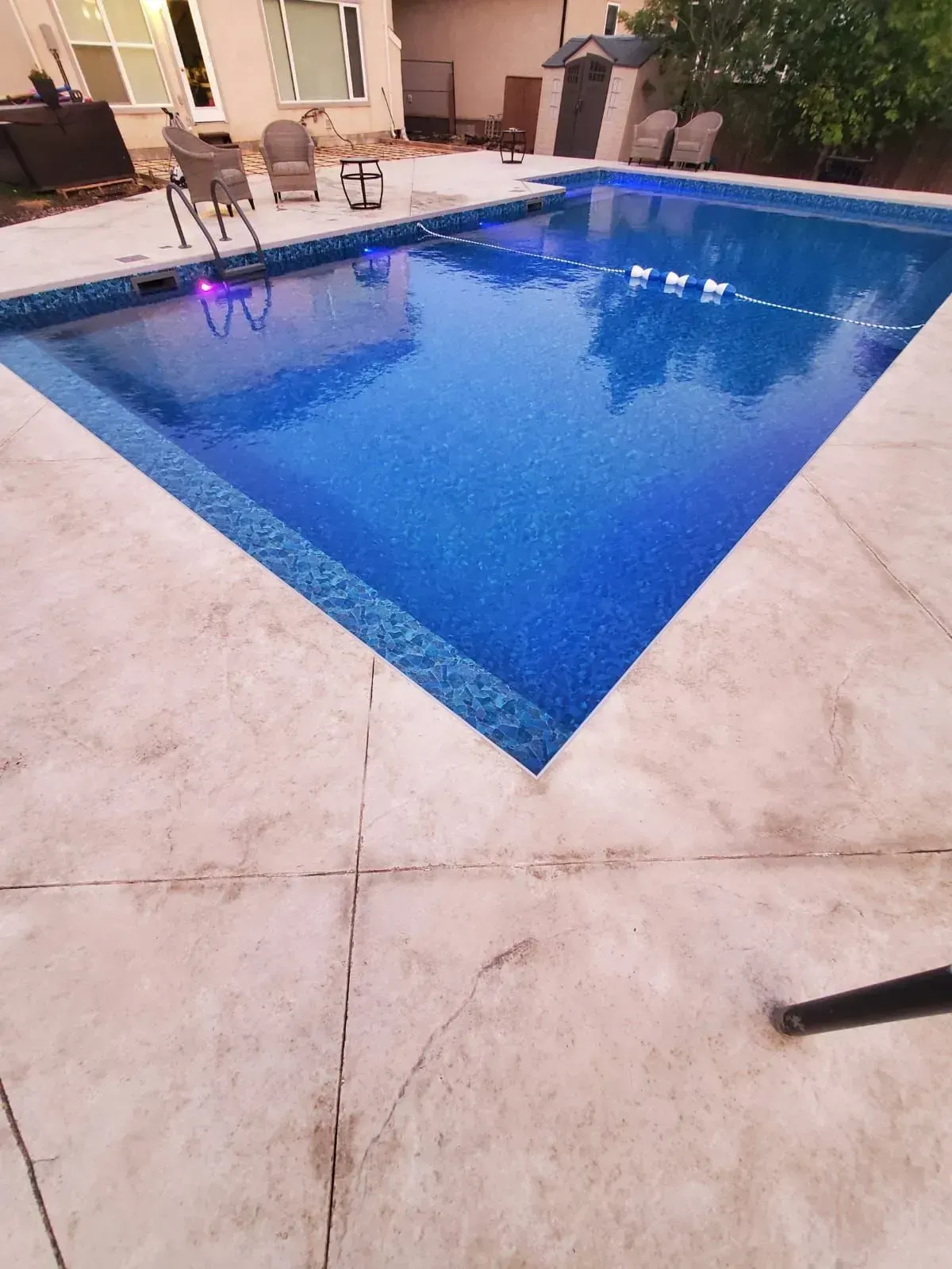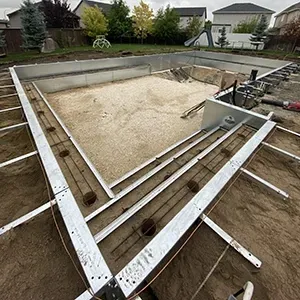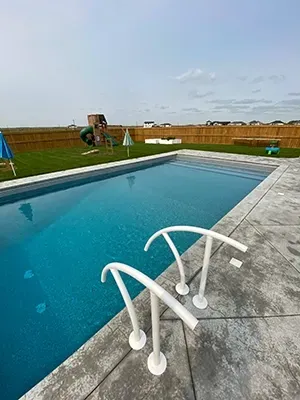

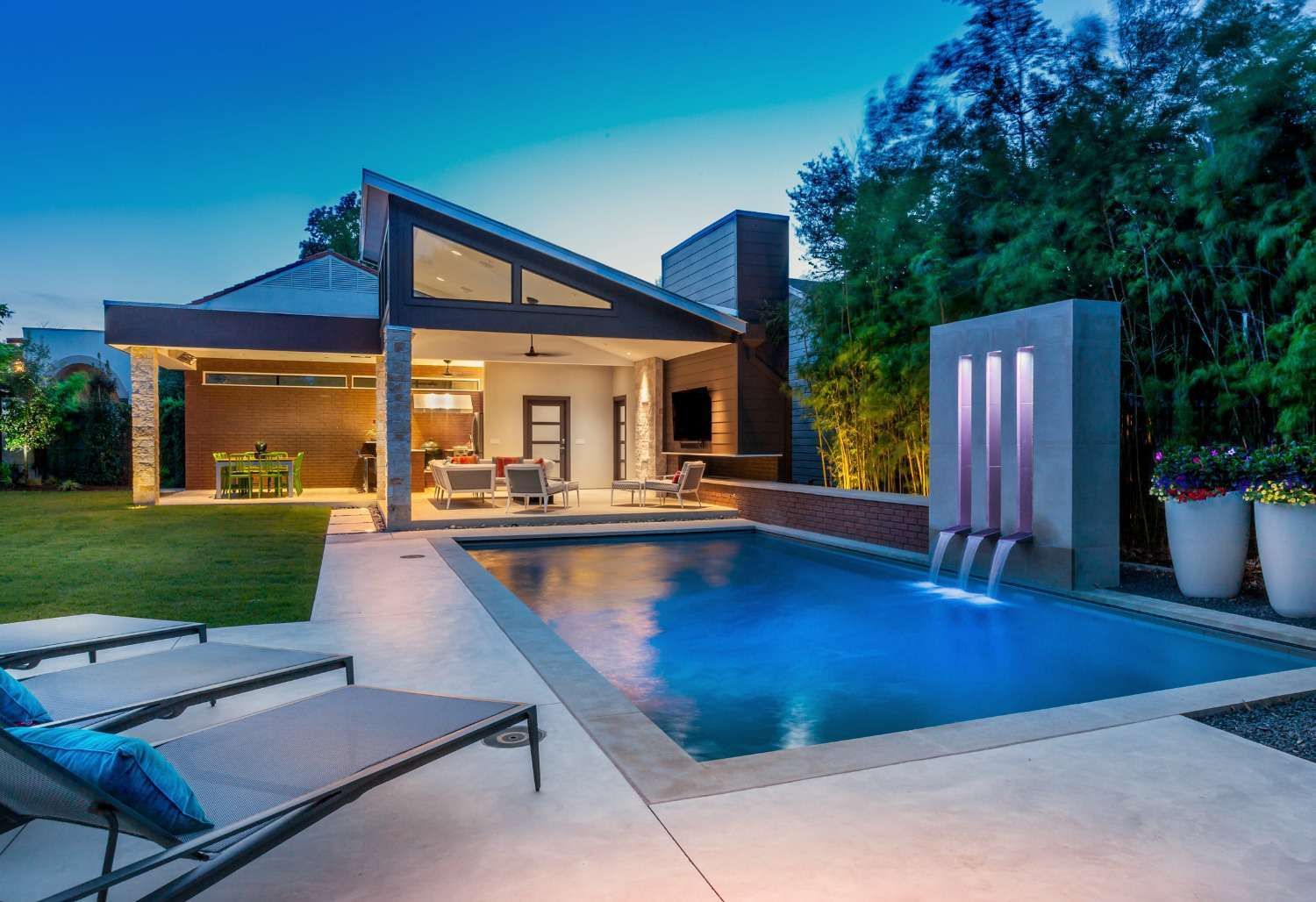
Building a pool is a significant investment. It requires careful planning and management to ensure a successful outcome. Managing pool design and construction can be a complex process. It involves numerous steps, from initial design to final construction. This guide aims to simplify this process. It provides a comprehensive overview of managing pool design and construction. We’ll delve into the role of a professional pool designer. We’ll also discuss the importance of understanding zoning laws and regulations. We’ll explore the benefits of hiring a construction manager. We’ll also provide insights into selecting materials and incorporating energy-efficient features. By the end of this guide, you’ll have a clearer understanding of the process. You’ll be better equipped to manage your pool design and construction project.
Building a swimming pool in your Manitoba home can be an exciting venture. It’s a significant investment that can enhance your property’s value and your family’s lifestyle. However, it’s not as simple as digging a hole and filling it with water. There are specific swimming pool requirements in Manitoba that homeowners must adhere to. These regulations ensure the safety of the pool users and the efficiency of the pool system. Understanding these requirements can be a daunting task, especially for first-time pool owners. This article aims to simplify these complex processes and provide a comprehensive guide on Manitoba’s swimming pool requirements. Whether you’re considering a simple above-ground pool or a custom-designed in-ground pool, this guide will help you navigate the regulations and make informed decisions. Let’s dive in and explore what it takes to build a compliant and energy-efficient swimming pool in Manitoba. Understanding Manitoba’s Climate and Pool Usage Manitoba’s climate plays a crucial role in swimming pool construction. The region experiences cold winters and short, warm summers. This variance impacts how pools are designed and maintained. Winterizing a pool is an essential task for Manitoba pool owners. It’s necessary to prevent damage from freezing temperatures. Homeowners should consider seasonal usage when selecting pool features. Energy-efficient systems help reduce costs during peak use. The climate also affects material choices for pool construction. Choosing the right materials can ensure longevity and durability. Understanding these climate implications helps in creating a practical and enjoyable pool experience in Manitoba. Navigating Local Regulations and Permits Before starting a pool project in Manitoba, understanding local regulations is crucial. These rules ensure safety and compliance. Failing to adhere can lead to fines and project delays. The first step is obtaining the required permits. Permits are essential before any construction can begin. They confirm that the pool design meets local standards. Manitoba pools must comply with specific zoning bylaws. These bylaws govern the size and placement of the pool on your property. Homeowners need to prepare necessary documentation. Typical requirements include site plans and pool designs. Coordination with local authorities is often required. Regular communication helps avoid misunderstandings and ensures smooth progress. Here are some key documents you might need: Site plans showing the pool’s location. Construction drawings with detailed specifications. Permits confirming compliance with local codes. Always work with experienced professionals. They understand how to navigate the complex regulatory landscape in Manitoba. Zoning Bylaws and Building Codes Zoning bylaws dictate how swimming pools are situated on a property. They include provisions like setbacks from property lines. These rules help maintain privacy and safety. The Manitoba Building Code is another critical consideration. It outlines construction standards for pools. Adhering to these codes ensures structural integrity. Understanding these codes before starting construction is vital. They influence the design and materials used. Codes ensure that pools are safe to use and environmentally sound. Non-compliance can lead to issues, including expensive redesigns. Always refer to the latest Manitoba pool guidelines. This practice ensures your pool project is both legal and safe. Safety Features and Energy Efficiency Standards Safety is paramount when installing a swimming pool. Various features are mandatory to protect users and passersby. Compliance with safety standards minimizes risks. A secure pool fence is crucial. It prevents unsupervised access and meets local regulation requirements. Pool alarms are additional safety features to consider. Energy efficiency is also a priority for Manitoba pools. Efficient systems reduce environmental impact and operating costs. They include pumps, heaters, and lighting solutions. Selecting energy-efficient equipment can lead to significant savings. It enhances pool operation without sacrificing performance. Here’s a list of recommended safety and efficiency features: Fencing around the pool area. Pool covers and alarms. Efficient pool pumps and heaters. Working with experts ensures all safety and energy standards are met. An experienced Winnipeg Pool Builder can guide you through this process. Navigating these standards provides peace of mind for pool owners. It ensures a safe and environmentally friendly swimming pool. Selecting a Qualified Winnipeg Pool Builder Choosing the right pool builder is essential for a successful project. Experience and reputation should be your primary criteria. A skilled builder ensures compliance with local regulations. Research potential builders thoroughly. Look for reviews and ask for references to assess their work quality. A reputable Winnipeg Pool Builder will gladly provide this information. Visit previous projects if possible. Seeing a builder’s work firsthand can offer insight into their capabilities. It also gives you an idea of what to expect. Ensure the builder is familiar with Manitoba’s specific requirements. Local knowledge helps navigate permitting processes efficiently. This expertise can save time and prevent costly mistakes. A qualified builder will not only meet technical needs but also understand your vision. They should collaborate with you to create a pool that fits your lifestyle. Working with a professional makes the process smoother and more enjoyable. The Importance of Energy-Efficient Pool Equipment Energy efficiency in pool equipment can significantly reduce operational costs. Utilizing efficient pumps and heaters saves energy and money. It’s a smart investment for any pool owner. Consider variable-speed pumps. They adjust to the pool’s needs, reducing energy consumption. This can lead to substantial savings over time. Solar heaters are another excellent option. They use natural resources to maintain pool temperature. This not only cuts energy costs but also minimizes environmental impact. LED lighting offers energy efficiency and durability. These lights consume less power and last longer than traditional options. They enhance pool aesthetics while saving energy. Energy-efficient equipment contributes to sustainability. It lessens the ecological footprint of your pool. Collaborate with your Winnipeg Pool Builder to select the best options. Maintaining Compliance During Construction Compliance is crucial during pool construction. Adhering to regulations ensures safety and legality. It’s vital to keep permits and approvals up-to-date. Engage with professionals who understand Manitoba’s specific requirements. Their expertise will guide the project smoothly. They know how to navigate the regulatory landscape. Document every phase of construction. This helps in verifying compliance. Accurate records simplify the inspection process. Regular communication with your contractor is essential. This ensures that all standards are being met. Proactive dialogue minimizes potential issues. By focusing on compliance, you protect your investment. This approach also safeguards against future complications. It’s a vital part of a successful pool project. The Inspection Process in Manitoba Inspections are a key component of pool projects. Inspectors ensure that all standards are upheld. They confirm both safety and regulatory compliance. Prepare thoroughly for inspections to avoid delays. This means having all documentation and permits accessible. Cooperation with inspectors facilitates the process. Material Selection and Weather Considerations Choosing the right materials for your pool involves more than aesthetics. Manitoba’s climate requires materials that withstand harsh conditions. Durability is key for long-term performance. Consider materials that resist freezing and thawing cycles. This ensures the integrity of the pool structure remains intact. Concrete and fiberglass are popular options. Manitoba’s summer months can be surprisingly hot. Opt for materials that minimize heat absorption. Cooler surfaces enhance comfort around the pool deck. Think about energy-efficient materials as well. These can help maintain water temperature and reduce heating costs. An energy-efficient approach benefits both your wallet and the environment. Proper material selection complements the overall design. It harmonizes with your home’s exterior and landscaping. This creates a cohesive and visually appealing outdoor space. Long-Term Maintenance and Environmental Impact Owning a pool in Manitoba comes with ongoing responsibilities. Regular maintenance ensures safety and longevity. Consistent cleaning and chemical balancing are crucial. Attention to equipment is essential. Pumps and heaters require periodic checks. Efficient operation saves on long-term energy costs. Environmental considerations should be a priority. Opt for eco-friendly cleaning systems. These methods minimize chemical use and reduce water waste. Monitoring water quality is vital. Proper filtration and circulation prevent algae growth and contamination. Keeping the pool covered reduces debris and evaporation. Consider the ecological footprint of pool ownership. Implementing energy-efficient practices can significantly mitigate environmental impact. Sustainable solutions benefit both the environment and your wallet