
Managing Pool Design and Construction
jummpmarketing • April 15, 2025

Building a pool is a significant investment. It requires careful planning and management to ensure a successful outcome.


Managing pool design and construction can be a complex process. It involves numerous steps, from initial design to final construction.


This guide aims to simplify this process. It provides a comprehensive overview of managing pool design and construction.


We’ll delve into the role of a professional pool designer. We’ll also discuss the importance of understanding zoning laws and regulations.


We’ll explore the benefits of hiring a construction manager. We’ll also provide insights into selecting materials and incorporating energy-efficient features.


By the end of this guide, you’ll have a clearer understanding of the process. You’ll be better equipped to manage your pool design and construction project.

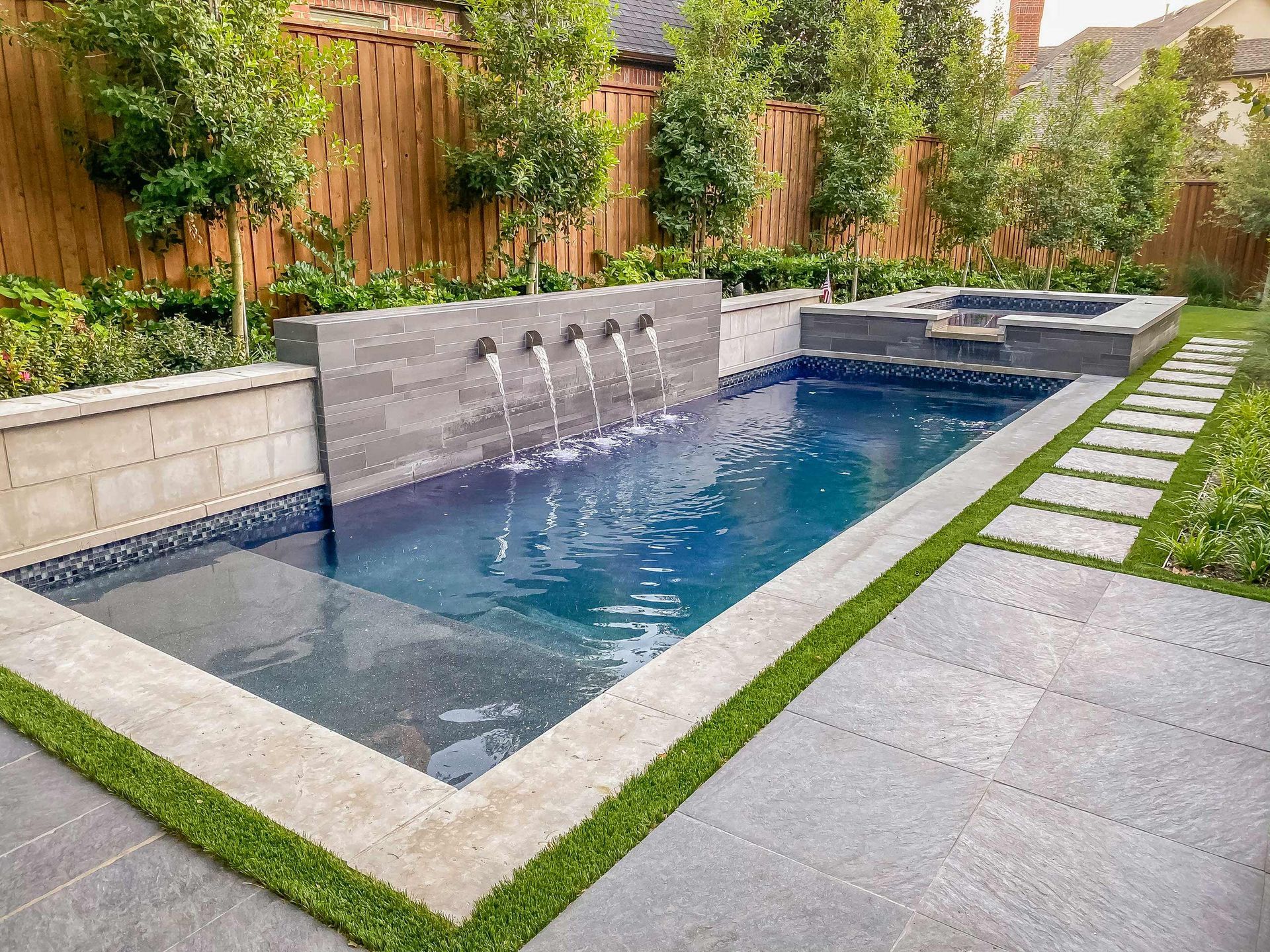
A rectangular swimming pool with a stone wall water feature, travertine coping, and a path of stepping stones on the grass.

Understanding the Basics of Pool Design and Construction

Creating a pool begins with a clear vision. Understanding how a pool fits into your home’s design is essential.


A well-designed pool serves both aesthetic and functional purposes. It enhances your home’s beauty and provides a relaxing retreat.


The pool construction process involves several key steps. These begin with design and move through to final inspection.


Here’s a brief rundown of the key stages involved:

  • Initial concept and planning
  • Engaging with professional designers
  • Understanding zoning laws
  • Selecting materials and energy features
  • Overseeing construction phases
  • Conducting final inspections


Each stage demands attention to detail. Missing a step can lead to costly delays or regulatory issues.


It’s important to work with skilled professionals. Their expertise ensures that each phase is completed correctly.


Having a firm grasp of the basics helps you make informed decisions. This understanding lays the foundation for a successful pool project.


The Role of a Professional Pool Designer


A professional pool designer is indispensable. They bring your vision to life with precise plans and innovative ideas.


Their expertise ensures that the design aligns with your home’s aesthetics. They balance creativity with practicality.


Designers also anticipate future needs. They incorporate features that enhance usability and safety, creating a lasting oasis.


Navigating Zoning Laws and Regulations


Understanding zoning laws is crucial. Local regulations dictate the pool’s size, location, and safety standards.


Non-compliance can lead to fines or reconstruction. Therefore, it’s vital to research these requirements early on.


Professional guidance can simplify this process. Experts ensure your pool meets all legal requirements, avoiding future complications.


The Importance of Construction Management in Pool Projects


Effective construction management is vital for a successful pool project. It ensures everything runs smoothly and on time.


A skilled construction manager coordinates each phase. Their oversight reduces the risk of errors and delays.


They also handle communications between all parties involved. This ensures everyone is on the same page throughout.


Budget management is another crucial aspect. A construction manager helps track expenses, preventing cost overruns.


Ultimately, having a competent manager streamlines the process. It brings peace of mind and a higher quality end result.


Hiring a Construction Manager: Pros and Cons


Hiring a construction manager offers many advantages. Their expertise often leads to a smoother project flow.


Pros include improved scheduling and cost management. They reduce stress by overseeing complex tasks.


However, there are some cons to consider. The primary concern is the additional cost involved.


The added expense must be weighed against potential benefits. Evaluating your project’s complexity helps determine if a manager is necessary.


Steps in the Pool Construction Management Process


The pool construction management process is structured and systematic. Each step builds upon the last for seamless execution.


First, a comprehensive project plan is developed. This guides every phase from start to finish.


Next is permit acquisition. Permits ensure compliance with local laws and codes.


Site preparation follows. This includes soil analysis and leveling.


Construction begins after the site is ready. Regular inspections maintain quality and adherence to plans.


Here’s a simplified list of these key steps:

  1. Develop project plan
  2. Acquire necessary permits
  3. Prepare site
  4. Begin construction
  5. Conduct regular inspections


Each stage requires precise management and coordination. By following this process, you minimize risks and optimize outcomes.

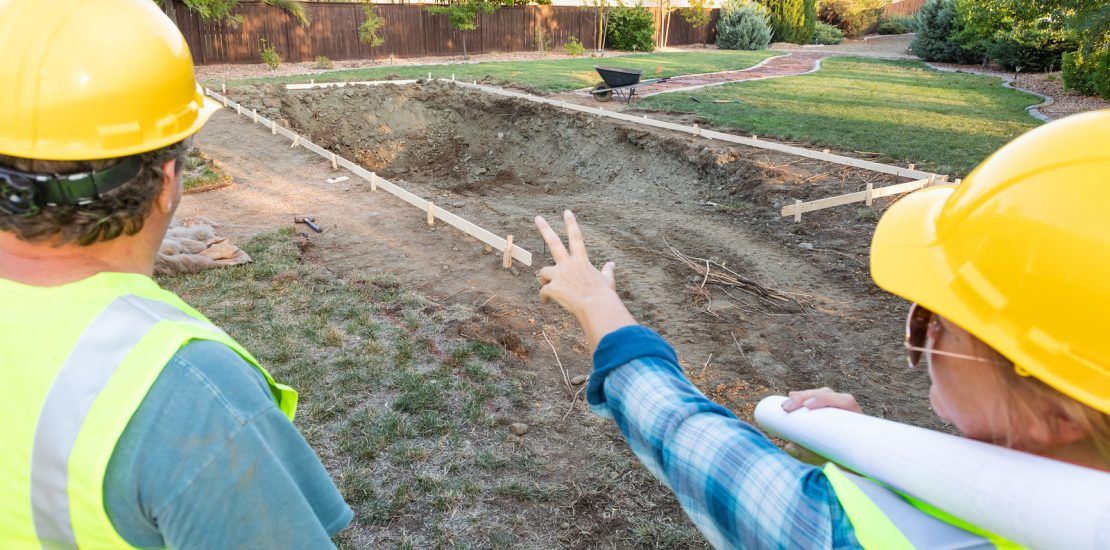
Two people in hard hats and reflective vests look at a trench marked with stakes in a residential yard.

Selecting Materials and Incorporating Energy Efficiency

Choosing the right materials for your pool is crucial. Durability and aesthetics should guide your decision-making process.


Opt for materials that withstand weather variations. They should also require minimal maintenance over time.


Incorporating energy-efficient materials can substantially reduce long-term costs. These choices benefit both your wallet and the environment.


Prioritize energy-efficient designs from the start. For instance, consider lighter pool finishes that reflect sunlight.


Efficient lighting options also enhance energy savings. LED lights, for example, consume less power compared to traditional lighting.


Thoughtful selection of materials and design elements promotes sustainability. It also enhances the overall appeal and functionality of your pool.


Energy-Efficient Features for Your Pool


Integrating energy-efficient features into your pool design offers many benefits. These components help lower energy usage without sacrificing comfort.


Solar heating systems are an excellent choice. They harness the sun’s power, reducing the dependency on electric heaters.


Variable speed pumps are another smart option. They adjust their operation to meet current needs, optimizing energy use.


Automated systems can manage pool functions efficiently. They help in regulating water temperature and filtration schedules.


Covering your pool with a quality cover minimizes heat loss. It also reduces water evaporation, further conserving resources.


Each feature contributes to a more sustainable pool environment. This approach ensures you enjoy a refreshing dip while maintaining eco-friendly practices.


Budgeting and Cost Management for Your Pool Project


A clear budget ensures a smoother pool construction process. It helps manage expenses and avoid unexpected financial strain.


Start by outlining all potential costs. Include design fees, materials, labor, permits, and additional features.


A detailed budget allows for better cost control. Allocate funds for each phase and factor in a contingency for surprises.


Monitoring expenditures throughout the project is crucial. Regular budget reviews help maintain financial health and project progress.


Communicate openly with your contractor about financial limits. This transparency aids in aligning design expectations with budget constraints.


With disciplined budgeting, you can achieve your dream pool without overspending. Proactive financial planning leads to a successful project.


Understanding the Costs: From Design to Completion


Initial pool design costs cover consultations and blueprints. Engaging a skilled designer is a wise investment for a functional outcome.


Construction costs vary based on the pool size and complexity. Excavation, plumbing, and structural components contribute to the total.


Account for post-construction expenses like landscaping and utility connections. These additional costs enhance the pool area and usability.


Remember, ongoing maintenance will also impact your budget. Planning for these future expenses is essential for long-term enjoyment.


Don’t overlook the cost of any required permits or inspections. Securing proper documentation ensures legality and safety.


Understanding all associated costs prevents surprises. Knowledge of financial commitments supports informed decision-making throughout your project.


Communication and Timeline Management During Construction


Effective communication is crucial during pool construction. Regular updates from your construction manager keep you informed. This transparency helps address issues promptly.


Establish a clear timeline at the project’s onset. Outline key milestones and expected completion dates. Keeping track ensures accountability and project pacing.

Flexibility is important in construction. Sometimes timelines shift due to unforeseen circumstances. Open dialogue with your team helps navigate these changes smoothly.


Dealing with Delays and Weather Considerations


Weather is a significant factor in outdoor projects like pools. Unexpected rain or cold spells can cause delays. It’s vital to plan for such disruptions.

Address potential weather issues in initial project discussions. This proactive approach can mitigate scheduling conflicts later on. Your project manager can suggest weather-resistant strategies.


Be prepared to adjust the timeline. Sometimes adaptation is necessary to maintain quality. Discuss options with your contractor for minimizing weather-related impacts.


Post-Construction: Maintenance and Upgrades


After construction ends, maintenance begins. Proper care ensures your pool stays functional and beautiful. Regular cleaning and equipment checks are essential.

Upgrades can enhance your pool’s features over time. Consider implementing new technologies or adding custom features. These improvements can increase enjoyment and efficiency.


Budget for maintenance and potential upgrades. Routine assessments help plan for future needs. A well-maintained pool remains a valuable asset.


Long-Term Maintenance and Energy Audits


Schedule regular maintenance to extend your pool’s lifespan. Addressing minor issues early can prevent costly repairs later. Consistent care is key.

Consider energy audits as part of your upkeep routine. These audits identify efficiency improvement opportunities. They also guide decisions on upgrading equipment for energy savings.


Efficient systems lower long-term energy costs. Incorporating energy audits can streamline maintenance. This proactive approach saves you time and resources.


Conclusion: Achieving Your Dream Pool with Effective Management


Realizing your dream pool involves careful planning and proactive management. Every step, from initial design through construction and maintenance, requires attention and expertise.


By collaborating with professionals and prioritizing energy efficiency, you ensure a successful outcome. A well-managed pool project delivers both beauty and value to your home.

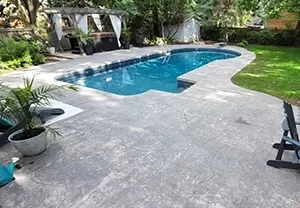
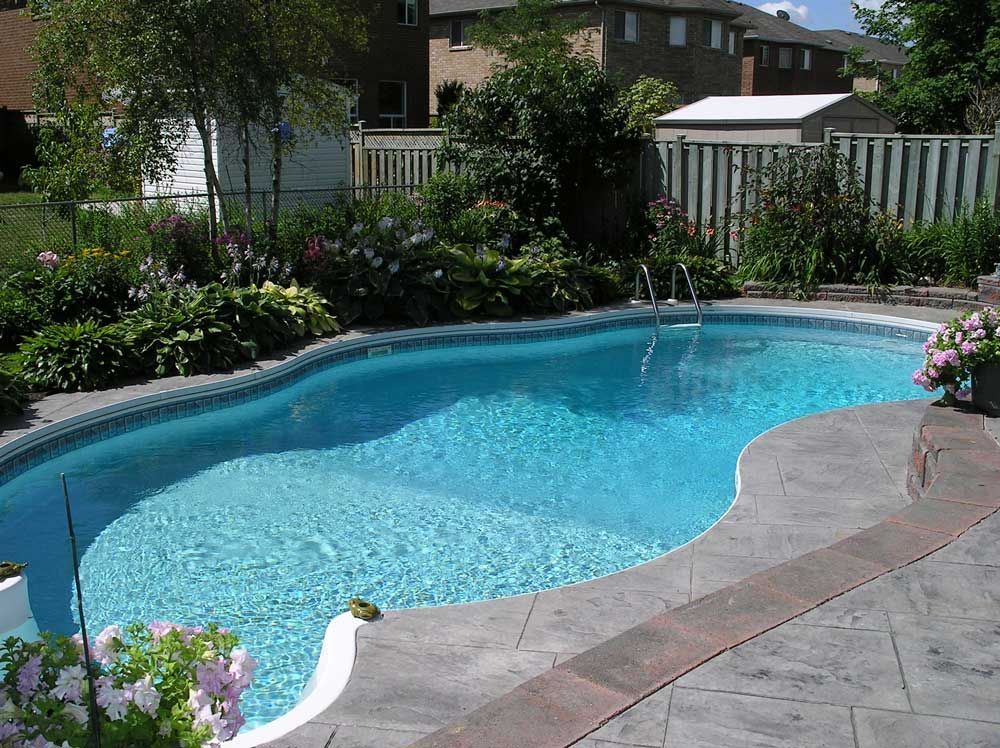
A backyard swimming pool with a curved edge, blue water, and a stamped concrete patio surrounded by lush green garden beds.
By jummpmarketing April 8, 2025
Bu ilding a swimming pool is a significant investment. It’s a complex process that requires careful planning and skilled execution. Choosing the right swimming pool builders is crucial. They can turn your vision into reality, ensuring your pool is both beautiful and functional. But how do you find the right pool contractors? What should you look for in a builder? This guide will answer these questions. It will help you navigate the process of selecting swimming pool builders who can deliver a pool that meets your needs and exceeds your expectations. We’ll cover everything from understanding different types of pools to the importance of energy-efficient solutions. We’ll also provide tips on how to research and find local swimming pool builders near you.
An indoor swimming pool with lap lanes and a large, blue spiral water slide in the background.
By jummpmarketing April 1, 2025
Building a swimming pool in your Manitoba home can be an exciting venture. It’s a significant investment that can enhance your property’s value and your family’s lifestyle. However, it’s not as simple as digging a hole and filling it with water. There are specific swimming pool requirements in Manitoba that homeowners must adhere to. These regulations ensure the safety of the pool users and the efficiency of the pool system. Understanding these requirements can be a daunting task, especially for first-time pool owners. This article aims to simplify these complex processes and provide a comprehensive guide on Manitoba’s swimming pool requirements. Whether you’re considering a simple above-ground pool or a custom-designed in-ground pool, this guide will help you navigate the regulations and make informed decisions. Let’s dive in and explore what it takes to build a compliant and energy-efficient swimming pool in Manitoba. Understanding Manitoba’s Climate and Pool Usage Manitoba’s climate plays a crucial role in swimming pool construction. The region experiences cold winters and short, warm summers. This variance impacts how pools are designed and maintained. Winterizing a pool is an essential task for Manitoba pool owners. It’s necessary to prevent damage from freezing temperatures. Homeowners should consider seasonal usage when selecting pool features. Energy-efficient systems help reduce costs during peak use. The climate also affects material choices for pool construction. Choosing the right materials can ensure longevity and durability. Understanding these climate implications helps in creating a practical and enjoyable pool experience in Manitoba. Navigating Local Regulations and Permits Before starting a pool project in Manitoba, understanding local regulations is crucial. These rules ensure safety and compliance. Failing to adhere can lead to fines and project delays. The first step is obtaining the required permits. Permits are essential before any construction can begin. They confirm that the pool design meets local standards. Manitoba pools must comply with specific zoning bylaws. These bylaws govern the size and placement of the pool on your property. Homeowners need to prepare necessary documentation. Typical requirements include site plans and pool designs. Coordination with local authorities is often required. Regular communication helps avoid misunderstandings and ensures smooth progress. Here are some key documents you might need: Site plans showing the pool’s location. Construction drawings with detailed specifications. Permits confirming compliance with local codes. Always work with experienced professionals. They understand how to navigate the complex regulatory landscape in Manitoba. Zoning Bylaws and Building Codes Zoning bylaws dictate how swimming pools are situated on a property. They include provisions like setbacks from property lines. These rules help maintain privacy and safety. The Manitoba Building Code is another critical consideration. It outlines construction standards for pools. Adhering to these codes ensures structural integrity. Understanding these codes before starting construction is vital. They influence the design and materials used. Codes ensure that pools are safe to use and environmentally sound. Non-compliance can lead to issues, including expensive redesigns. Always refer to the latest Manitoba pool guidelines. This practice ensures your pool project is both legal and safe. Safety Features and Energy Efficiency Standards Safety is paramount when installing a swimming pool. Various features are mandatory to protect users and passersby. Compliance with safety standards minimizes risks. A secure pool fence is crucial. It prevents unsupervised access and meets local regulation requirements. Pool alarms are additional safety features to consider. Energy efficiency is also a priority for Manitoba pools. Efficient systems reduce environmental impact and operating costs. They include pumps, heaters, and lighting solutions. Selecting energy-efficient equipment can lead to significant savings. It enhances pool operation without sacrificing performance. Here’s a list of recommended safety and efficiency features: Fencing around the pool area. Pool covers and alarms. Efficient pool pumps and heaters. Working with experts ensures all safety and energy standards are met. An experienced Winnipeg Pool Builder can guide you through this process. Navigating these standards provides peace of mind for pool owners. It ensures a safe and environmentally friendly swimming pool. Selecting a Qualified Winnipeg Pool Builder Choosing the right pool builder is essential for a successful project. Experience and reputation should be your primary criteria. A skilled builder ensures compliance with local regulations. Research potential builders thoroughly. Look for reviews and ask for references to assess their work quality. A reputable Winnipeg Pool Builder will gladly provide this information. Visit previous projects if possible. Seeing a builder’s work firsthand can offer insight into their capabilities. It also gives you an idea of what to expect. Ensure the builder is familiar with Manitoba’s specific requirements. Local knowledge helps navigate permitting processes efficiently. This expertise can save time and prevent costly mistakes. A qualified builder will not only meet technical needs but also understand your vision. They should collaborate with you to create a pool that fits your lifestyle. Working with a professional makes the process smoother and more enjoyable. The Importance of Energy-Efficient Pool Equipment Energy efficiency in pool equipment can significantly reduce operational costs. Utilizing efficient pumps and heaters saves energy and money. It’s a smart investment for any pool owner. Consider variable-speed pumps. They adjust to the pool’s needs, reducing energy consumption. This can lead to substantial savings over time. Solar heaters are another excellent option. They use natural resources to maintain pool temperature. This not only cuts energy costs but also minimizes environmental impact. LED lighting offers energy efficiency and durability. These lights consume less power and last longer than traditional options. They enhance pool aesthetics while saving energy. Energy-efficient equipment contributes to sustainability. It lessens the ecological footprint of your pool. Collaborate with your Winnipeg Pool Builder to select the best options. Maintaining Compliance During Construction Compliance is crucial during pool construction. Adhering to regulations ensures safety and legality. It’s vital to keep permits and approvals up-to-date. Engage with professionals who understand Manitoba’s specific requirements. Their expertise will guide the project smoothly. They know how to navigate the regulatory landscape. Document every phase of construction. This helps in verifying compliance. Accurate records simplify the inspection process. Regular communication with your contractor is essential. This ensures that all standards are being met. Proactive dialogue minimizes potential issues. By focusing on compliance, you protect your investment. This approach also safeguards against future complications. It’s a vital part of a successful pool project. The Inspection Process in Manitoba Inspections are a key component of pool projects. Inspectors ensure that all standards are upheld. They confirm both safety and regulatory compliance. Prepare thoroughly for inspections to avoid delays. This means having all documentation and permits accessible. Cooperation with inspectors facilitates the process. Material Selection and Weather Considerations Choosing the right materials for your pool involves more than aesthetics. Manitoba’s climate requires materials that withstand harsh conditions. Durability is key for long-term performance. Consider materials that resist freezing and thawing cycles. This ensures the integrity of the pool structure remains intact. Concrete and fiberglass are popular options. Manitoba’s summer months can be surprisingly hot. Opt for materials that minimize heat absorption. Cooler surfaces enhance comfort around the pool deck. Think about energy-efficient materials as well. These can help maintain water temperature and reduce heating costs. An energy-efficient approach benefits both your wallet and the environment. Proper material selection complements the overall design. It harmonizes with your home’s exterior and landscaping. This creates a cohesive and visually appealing outdoor space. Long-Term Maintenance and Environmental Impact Owning a pool in Manitoba comes with ongoing responsibilities. Regular maintenance ensures safety and longevity. Consistent cleaning and chemical balancing are crucial. Attention to equipment is essential. Pumps and heaters require periodic checks. Efficient operation saves on long-term energy costs. Environmental considerations should be a priority. Opt for eco-friendly cleaning systems. These methods minimize chemical use and reduce water waste. Monitoring water quality is vital. Proper filtration and circulation prevent algae growth and contamination. Keeping the pool covered reduces debris and evaporation. Consider the ecological footprint of pool ownership. Implementing energy-efficient practices can significantly mitigate environmental impact. Sustainable solutions benefit both the environment and your wallet